Unlocking the Secrets of 264.68.111.161: A Friendly Guide to Understanding IP Addresses
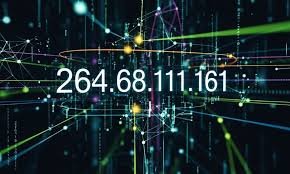
Have you ever wondered what an IP address like 264.68.111.161 really tells you about the world of the internet? At first glance, it might just seem like a random string of numbers, but each IP address carries a story about location, security, and connectivity. Let’s dive into the world of 264.68.111.161 and uncover its secrets.
Understanding IP Addresses
Every device connected to the internet has a unique identifier called an IP address. Think of it as your digital home address. It allows computers to find each other and communicate smoothly. While there are two main types of IP addresses—IPv4 and IPv6—264.68.111.161 fits the IPv4 format, which consists of four sets of numbers separated by periods. Each segment ranges from 0 to 255, making it easy for machines to recognize.
The Structure of 264.68.111.161
Breaking down 264.68.111.161, you notice that each segment represents a different layer of network information. The first part, 264, usually points to the network region. The next segments further refine the location and sometimes the service provider associated with the IP. Although this address might appear ordinary, each number plays a crucial role in directing internet traffic correctly.
Locating the Source
One of the exciting things about IP addresses is the ability to track their approximate location. Services exist that map IP numbers to regions, cities, and even specific ISPs. While 264.68.111.161 might not pinpoint a home address for privacy reasons, it can reveal a general area or the organization that manages it. This information is particularly useful for businesses monitoring website traffic or for security professionals detecting suspicious activity.
Security Implications
Understanding 264.68.111.161 isn’t just about geography. IP addresses also play a significant role in internet security. Firewalls, anti-spam filters, and other protective measures often use IP addresses to allow or block access. If an IP is flagged for malicious activity, it could affect the ability to access certain websites or services. Therefore, knowing how to interpret an IP address is essential for maintaining online safety.

Dynamic vs. Static IPs
Another important aspect is whether an IP address is dynamic or static. A static IP remains constant and is often used for servers and businesses requiring reliable connections. A dynamic IP, on the other hand, can change frequently, assigned temporarily by an internet service provider. This distinction matters because 264.68.111.161 could either represent a fixed point in the digital landscape or a temporary connection that changes over time.
Applications of IP Knowledge
Knowing about IP addresses like 264.68.111.161 has practical applications. For instance, web developers can use IPs to understand where their visitors are coming from. Similarly, digital marketers can tailor campaigns based on location data derived from IP addresses. Even gamers and streamers benefit from IP knowledge to troubleshoot connectivity issues or optimize server connections.
Challenges with IP Addresses
Despite their usefulness, IP addresses are not flawless. They can be spoofed or masked using VPNs and proxies. This means that while 264.68.111.161 might seem to originate from a specific region, the actual user could be anywhere in the world. This adds a layer of complexity for cybersecurity experts and online analysts who rely on IP data for tracking purposes.
The Future of IP Addressing
As the internet continues to expand, the limitations of IPv4 addresses like 264.68.111.161 become apparent. The world is gradually moving towards IPv6, which provides a virtually unlimited number of addresses. This transition ensures that every device can have a unique digital identity, improving connectivity and reducing conflicts.
Fun Facts About IPs
Did you know that IP addresses can sometimes hint at the type of internet connection you have? For example, certain ranges are often used by mobile networks, while others belong to large broadband providers. Learning these patterns can be fascinating and offers insight into the technical backbone of the web.
Conclusion
In essence, 264.68.111.161 is more than just numbers. It represents a gateway into understanding the digital world, from location and connectivity to security and network management. By paying attention to these details, you gain a deeper appreciation for the invisible threads that connect us all online. Next time you see an IP address, remember—it’s a story waiting to be uncovered, just like 264.68.111.161.